
The Nature of Luck in Casino Games
Luck is often considered the driving force behind many casino games. In games such as slot machines and roulette, outcomes are fundamentally random, making luck the only element a player can rely on. The thrill of spinning a wheel or pulling a lever is underscored by the unpredictable nature of these games. A player might hit the jackpot on their first try or lose continuously without ever knowing why, especially when they explore a platform like neosurf online casino australia , where every spin feels like a new adventure. This sheer unpredictability can be both exhilarating and frustrating, embodying the essence of luck in a casino setting.
Furthermore, the role of luck can vary greatly among different games. While games like craps heavily depend on chance, others may allow players to influence their fate to some extent. Still, even within skill-oriented games, the unpredictability of luck can sway the final outcome. For instance, in poker, while a player’s strategy and experience can guide their decisions, the cards they are dealt ultimately rely on luck. This intricate balance between luck and skill creates an intriguing dynamic that captivates players.
Moreover, the psychological impact of luck cannot be overlooked. Players often attribute their victories or defeats to their luck rather than their skill level. This perception can influence their approach to gambling. New players, unaware of the skill involved in some games, may over-rely on luck, believing that they can simply “get lucky” without understanding the underlying strategies. This aspect of human behavior further complicates the understanding of how luck affects various casino games.
The Importance of Skill in Strategic Games
Contrasting luck, skill plays an essential role in many casino games, particularly those requiring strategy and decision-making. Games like blackjack and poker exemplify the significance of skill, as players can make calculated decisions to maximize their chances of winning. In blackjack, players must understand the odds and when to hit or stand based on their hands, which requires a blend of mathematical skill and strategic thinking. The ability to read opponents’ behaviors in poker further amplifies this strategic element, showcasing how skill can ultimately lead to success.
Moreover, skilled players often develop strategies over time, honing their abilities through practice and experience. For example, a poker player may employ bluffing techniques or learn to calculate pot odds to gain an edge. These strategies are not reliant on luck but rather on a player’s understanding of the game mechanics and psychological aspects of their opponents. This level of skill can significantly impact a player’s profitability in the long run, demonstrating that while luck may influence individual sessions, skill determines overall success.
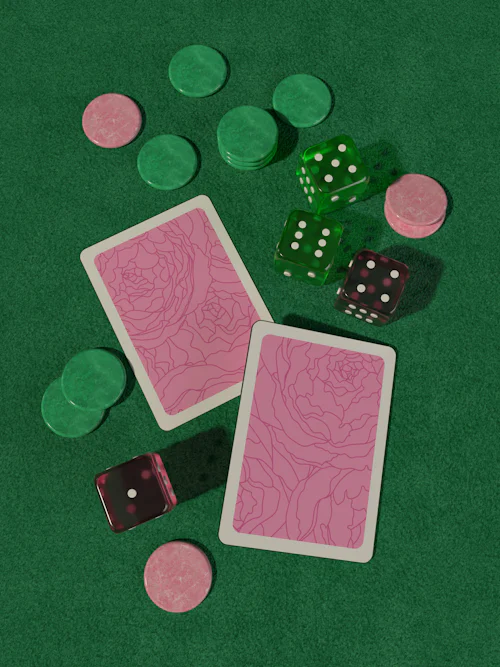
Additionally, tournaments often highlight the importance of skill over luck. In competitive environments, the best players consistently place higher, showcasing their proficiency irrespective of the luck factor. Skill-based games tend to reward those who invest time in studying the intricacies of the game. The distinction between casual players and experienced individuals becomes apparent in competitive settings, emphasizing that skill can outweigh the random elements of luck. This aspect encourages players to engage more deeply with the game, enriching their overall experience.
The Balance Between Luck and Skill
The interplay between luck and skill creates a fascinating balance in casino games. While luck may dictate immediate outcomes, skill often influences the bigger picture over extended play. For instance, in a game like baccarat, the outcome is primarily based on luck; however, a player who understands betting patterns can adjust their approach effectively. This combination encourages players to refine their strategies while still acknowledging the inherent randomness of the game.
Additionally, different players have varying perceptions of this balance. Some might revel in the thrill of relying on luck, finding excitement in the uncertainty of chance. Others prefer the mastery that comes with skillful play, taking pride in their ability to outsmart opponents or achieve better odds. This divergence creates a diverse gambling community, appealing to various player types and preferences. As individuals choose their games based on their comfort with luck or skill, the casino environment becomes a melting pot of strategies and personalities.
Importantly, casinos understand this balance when designing games and marketing experiences. They often promote games that appear to favor luck to attract a wider audience while also offering skill-based games for seasoned players looking to challenge themselves. This strategic approach allows casinos to cater to both casual gamblers and serious competitors, ensuring that the allure of both luck and skill remains present in their offerings. Ultimately, the simultaneous existence of luck and skill adds to the richness of the gaming experience.
The Role of Gambling Psychology
The psychology of gambling plays a crucial role in shaping how players perceive luck and skill. Many players are drawn to the excitement of potential wins, often underestimating the importance of skill in certain games. This phenomenon is influenced by cognitive biases, where individuals may remember their big wins while disregarding the losses incurred along the way. Such selective memory can impact a player’s approach, leading them to believe that luck is the primary determinant of outcomes.

Additionally, the thrill of risk-taking adds an emotional dimension to gambling psychology. Players may become emotionally invested in their luck, interpreting wins as signs of favor or “good luck.” This connection can cloud their judgment, making them less likely to consider the skill aspect of their gameplay. Emotional highs and lows during gaming sessions further complicate the player’s ability to make rational decisions based on skill, as feelings can often override logical assessment.
Moreover, understanding this psychological aspect can aid players in refining their strategies. By recognizing how emotions influence their decisions, players can develop better self-regulation techniques. For instance, they can set limits on how much they depend on luck and focus more on honing their skills for strategic games. This awareness cultivates a more balanced approach to gambling, where players learn to appreciate both the role of luck and the benefits of skill.
Conclusion: Learning from Luck and Skill
As players navigate the vibrant world of casino games, understanding the balance between luck and skill can elevate their experience. Recognizing when luck plays a significant role versus when skill can lead to success is essential for anyone looking to enhance their gaming strategies. This knowledge empowers players, allowing them to make informed decisions that can potentially improve their odds in various games.
Moreover, as the gambling landscape continues to evolve with technological advancements and the introduction of new gaming formats, the importance of skill is likely to grow. Players who embrace continuous learning and adaptation will find themselves better equipped to tackle the complexities of both luck and skill. This duality not only enriches their gaming experience but also positions them for greater success in the long run.
Ultimately, whether a player finds joy in the thrill of luck or the challenge of skill, the world of casino games offers something for everyone. By embracing both elements, players can enjoy a comprehensive and rewarding gambling journey, understanding that every spin, card, and roll is a chance to engage with the forces of chance and mastery in unique ways.
Recent Comments